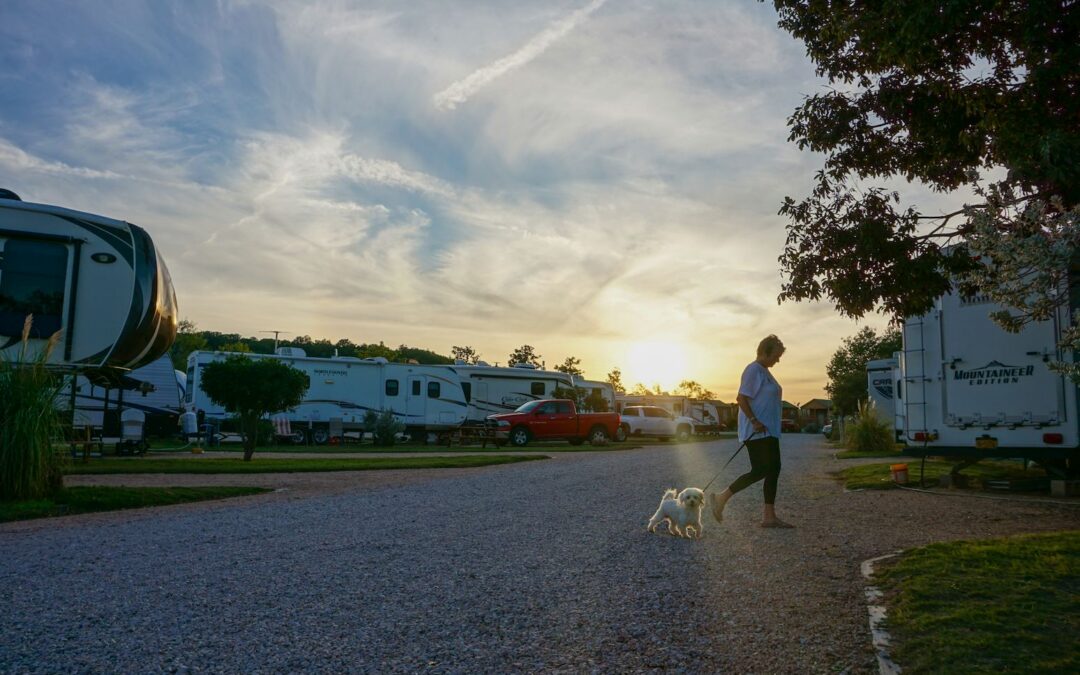

Thinking about retiring on the road but wondering how to turn the idea of RV living into a realistic, well-planned lifestyle instead of a stressful leap? RV retirement planning works best when seniors approach it with a clear checklist that covers comfort, finances, health, safety, and long-term flexibility. With the right preparation, RV living can offer freedom, simplicity, and adventure without unnecessary surprises.
This guide walks through a complete RV retirement planning checklist for seniors starting RV living, whether you’re considering part-time travel, seasonal snowbirding, or full-time RV retirement. Use it before launch day and revisit it as your needs evolve.
Define Your RV Retirement Vision First
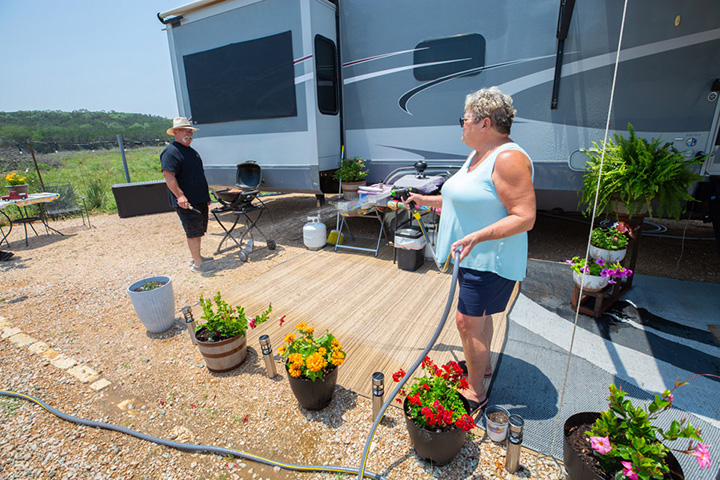
Before choosing an RV or mapping routes, start with the big picture. RV retirement planning begins with understanding how you want to live, not just where you want to go.
Decide Between Part-Time or Full-Time RV Living
Some retirees enjoy traveling a few months a year, while others transition into full-time RV living. Part-time RV retirement often means fewer logistics, lower costs, and keeping a home base. Full-time RV living requires more planning but offers maximum flexibility.
Clarify Your Travel Style
Ask yourself:
- Do you prefer slow travel with longer stays or frequent movement?
- Are you drawn to nature, national parks, small towns, or RV retirement communities?
- Do you plan to follow good weather as a snowbird or stay mostly regional?
Defining your RV travel style early helps guide every decision that follows.
Choosing the Right RV for Retirement Comfort
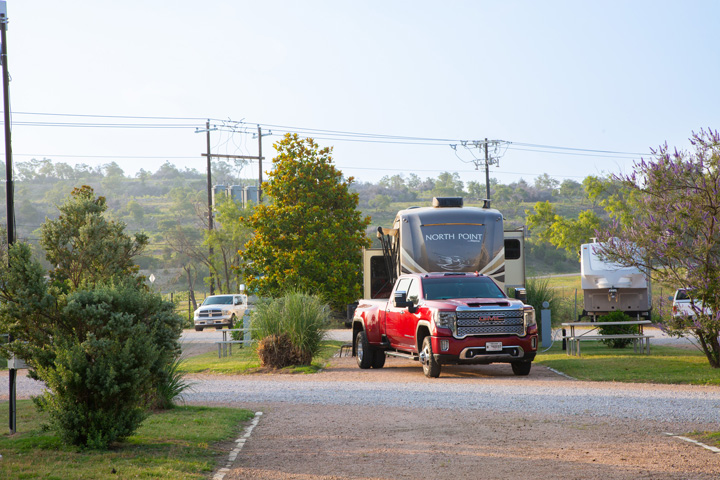
Selecting the right RV is one of the most important steps for seniors starting RV living. Comfort, ease of use, and safety matter more than size or luxury.
Drivable RVs vs Towable RVs
Many retirees compare drivable RVs versus towables:
- Class A RVs offer residential comfort and storage, but require confidence driving a large vehicle.
- Class B camper vans are easy to drive and park, ideal for solo seniors or minimalist travelers.
- Class C motorhomes balance drivability and living space.
- Towable RVs (travel trailers or fifth wheels) allow you to detach your vehicle but involve hitching and setup tasks.
Accessibility and Ease of Use
When choosing an RV for retirees, consider:
- Low entry steps and handrails
- Bathroom layout and shower access
- Slide-out placement and safety
- Automatic levelers and awnings
The right RV should reduce physical strain and simplify daily routines.
Downsizing and Preparing Your Belongings

RV downsizing is both practical and emotional. A clear downsizing checklist helps seniors avoid overwhelm.
What to Keep, Sell, or Store
Focus on:
- Sentimental items worth storing
- Seasonal clothing only for current climates
- Multi-use tools and kitchen items
Many retirees sell or donate excess belongings and use climate-controlled storage for essentials.
RV Storage Solutions
Smart storage includes:
- Lightweight bins
- Vertical organizers
- Under-bed storage
- Collapsible household items
Efficient storage reduces clutter and makes daily RV living easier.
Budgeting for RV Retirement Living

RV retirement budgeting should be realistic and flexible. Costs vary depending on travel pace, location, and comfort preferences.
Core RV Living Expenses
Budget categories typically include:
- Campground fees for long-term RV parks or nightly stays
- Fuel costs based on mileage and RV type
- RV maintenance and repair reserves
- Insurance for vehicle, contents, and liability
Build an Emergency Fund
An emergency fund for RV living covers unexpected repairs, medical expenses, or travel changes. Many seniors aim for at least 3–6 months of essential expenses.
Campground Fees and Savings
Long-term stays, off-season travel, and 55+ RV parks often reduce costs. Membership clubs like Good Sam Club or Escapees RV Club can provide discounts and community connections.
Connectivity and Technology Planning

Staying connected is critical for safety, finances, and social interaction.
RV Internet Options
Options include:
- Cellular hotspots
- Mobile data plans
- Starlink RV internet for remote locations
Redundant connectivity ensures access to navigation, weather alerts, and telehealth services.
Power and Energy Management
Solar panels, generators, and battery systems help reduce reliance on hookups, especially for retirees interested in boondocking or extended stays.
Health and Medical Planning for RV Seniors

Healthcare planning is a cornerstone of RV retirement planning.
Medicare and Supplemental Coverage
Understand how Medicare works across state lines and consider supplemental insurance for broader coverage while traveling.
Prescription Management
Plan for:
- Mail-order prescriptions
- National pharmacy chains
- Backup medication storage
Finding Medical Care on the Road
Use healthcare networks, telehealth services, and digital medical records to ensure continuity of care.
Legal, Paperwork, and Domicile Essentials

Handling paperwork early prevents headaches later.
Choose a Domicile State
Your domicile state affects taxes, vehicle registration, insurance, and voting. Popular RV domicile states include Texas, South Dakota, and Florida.
Mail Forwarding and Documentation
Mail forwarding services help manage:
- Bills
- Insurance documents
- Legal notices
Keep digital and physical copies of IDs, registrations, and medical records.
Advance Directives and Emergency Documents
Prepare:
- Medical power of attorney
- Living wills
- Emergency contact lists
These documents ensure your wishes are respected wherever you travel.
Safety, Maintenance, and RV Operations Checklist

Daily safety routines keep RV retirement enjoyable and stress-free.
RV Maintenance Checklist
Regular tasks include:
- Tire pressure monitoring
- Weight distribution checks
- Black and gray tank maintenance
- Generator testing
- Slide-out and leveling system inspections
Safe Driving for Seniors
Practice conservative driving habits, plan shorter driving days, and avoid poor weather whenever possible.
Emergency Preparedness
Prepare for:
- Severe weather
- Road closures
- Mechanical issues
Carry roadside assistance plans designed for RVers and keep emergency kits accessible.
Lifestyle Success and Emotional Well-Being

RV retirement planning isn’t just logistical. Lifestyle balance matters.
Staying Social on the Road
RV social clubs, campground activities, and online communities help prevent isolation. Many seniors enjoy group travel, rallies, and seasonal stays at RV retirement communities.
Preventing RV Burnout
Traveling too fast can lead to fatigue. A sustainable pace allows time for rest, hobbies, and local exploration.
Adapting Plans as You Age
RV living is flexible. Many retirees adjust:
- Travel distances
- RV size
- Length of stays
The goal is comfort and enjoyment, not sticking to a rigid plan.
Your Complete RV Retirement Planning Checklist
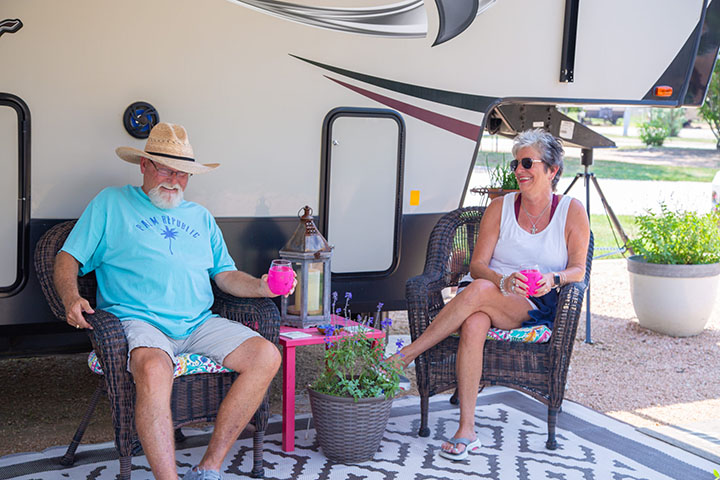
Before launch day, review:
- Travel style and retirement goals
- RV selection and accessibility
- Budget and emergency fund
- Health coverage and prescriptions
- Legal documents and domicile setup
- Maintenance routines and safety plans
- Social connections and lifestyle balance
This checklist isn’t a one-time task. Revisit it regularly as your RV retirement evolves.
RV retirement planning gives seniors the confidence to begin RV living with clarity instead of uncertainty. With a thoughtful checklist, realistic budgeting, and flexible expectations, RV living can be one of the most rewarding chapters of retirement.
For retirees exploring long-term RV living and 55+ RV parks, planning ahead makes all the difference. Once this checklist is complete, you’ll be ready to enjoy the freedom, community, and adventure that RV retirement offers, on your own terms.
Considering a Comfortable Home Base for RV Retirement?
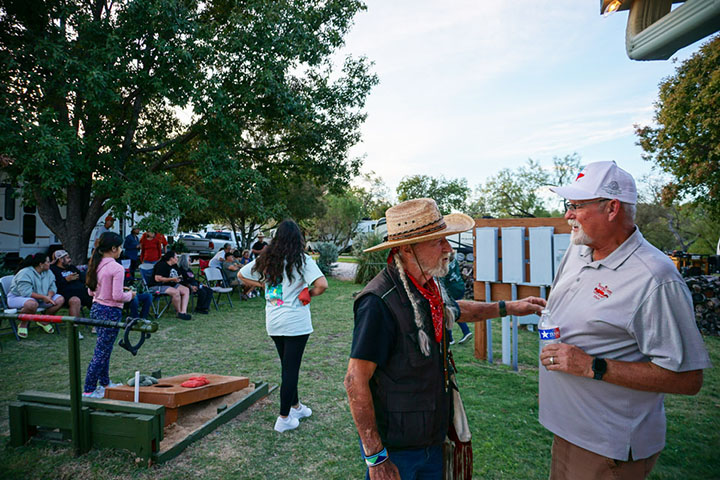
For many seniors, successful RV retirement planning includes choosing a reliable, peaceful home base for extended stays. Whether you plan to travel seasonally or settle into long-term RV living, having a well-maintained park with spacious sites, modern hookups, and a welcoming community can make all the difference.

Miller Creek RV Park offers a quiet Texas Hill Country setting ideal for retirees who value comfort, convenience, and flexibility. With full hook-ups, wide RV sites, dependable connectivity, and easy access to nearby towns and attractions, it’s a great option for those exploring long-term or seasonal RV living in Texas.
Learn more or plan your stay at Miller Creek RV Park and take the next step toward a well-planned RV retirement lifestyle.