
Have you ever been in the middle of an RV trip when dark clouds start rolling in and thunder begins to rumble? While RV camping is all about adventure and freedom, storms can bring sudden challenges that require quick thinking and preparation. Knowing what to do when RV camping during thunderstorm conditions can make all the difference in keeping you, your passengers, and your RV safe.
In this guide, we’ll walk through the best steps to take before, during, and after a thunderstorm so you can weather the storm, literally, while keeping your RV in top shape.
1. Retract Slide-Outs for Added Safety

If you’re set up at an RV park and a thunderstorm is on the way, one of the first things you should do is retract your slide-outs. This not only protects the mechanical components from wind damage but also reduces the surface area exposed to driving rain. Slide-outs can act as vulnerable entry points for water, so bringing them in is an easy way to prevent leaks and costly repairs.
Pro Tip: Retracting slide-outs also gives your RV more stability during heavy winds by reducing its profile.
2. Unplug from Shore Power
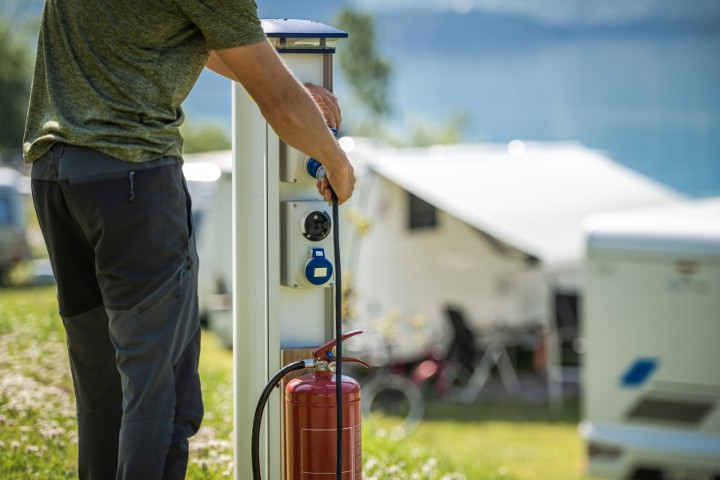
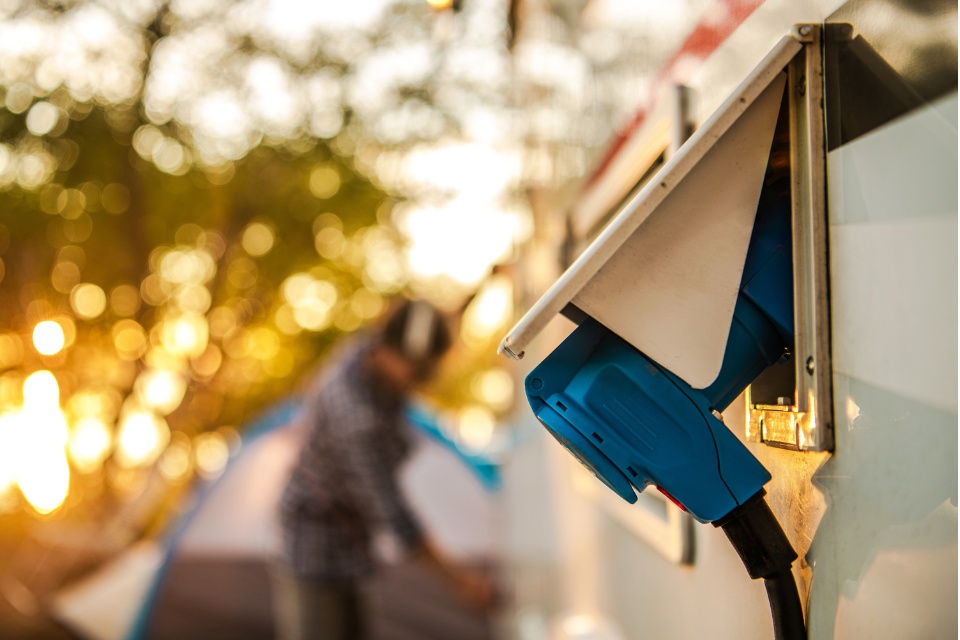
Lightning strikes, even when they’re miles away, can cause sudden power surges. If your RV is plugged into shore power during a storm, it’s at risk of damage to your electrical system and appliances. The safest move is to unplug from the pedestal before the storm arrives.
If you can’t unplug completely, make sure you’re using a high-quality surge protector that’s rated for RV use. This adds a layer of protection for your electronics if a sudden voltage spike occurs.
3. Shut Off Your Propane Systems

Strong winds, lightning, and heavy rain can increase the risk of propane-related hazards. Shutting off propane systems during a thunderstorm is a smart precaution. This means turning off your stove, water heater, and furnace if they’re propane-powered.
Not only does this prevent accidental leaks, but it also reduces fire hazards in the unlikely event of a lightning strike.
4. Fill Your Fresh Water Tank in Advance
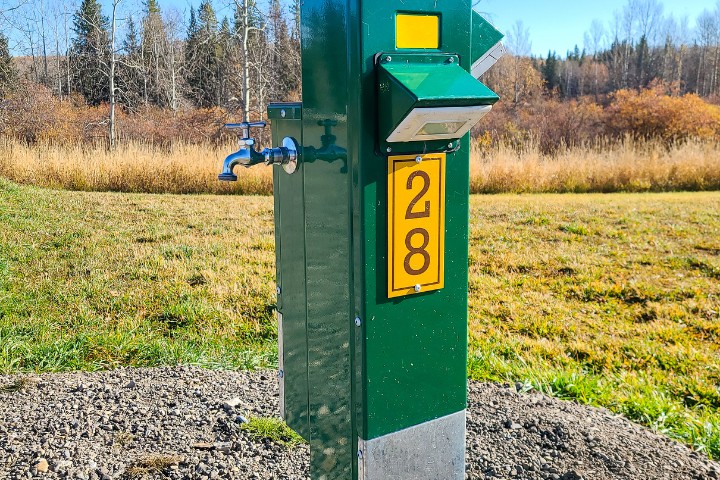
Storms can disrupt water service at an RV park, especially if there’s flooding or a temporary power outage affecting the park’s pump system. By filling your fresh water tank before the storm hits, you ensure you have enough water for drinking, cooking, and washing until service is restored.
Even if your stay is short, having a full tank gives you peace of mind during unpredictable weather.
5. Disconnect Satellite and External Equipment

If you have an exterior satellite dish or internet antenna, disconnect and stow it before a thunderstorm. These devices can conduct electricity, increasing your risk of lightning damage.
Also, retract awnings, fold outdoor furniture, and bring in anything that could blow away or cause damage to your RV or nearby campers.
6. Close All Openings to Prevent Water Intrusion

Heavy rain and wind can push water through even the smallest openings in your RV. Close all windows, vents, and roof hatches before the storm begins.
If your RV is prone to leaks, consider using vent covers or rain guards that still allow airflow without letting water in.
7. Use Wheel Chocks to Minimize Movement

Strong winds can cause noticeable rocking or shifting in your RV. Placing heavy-duty wheel chocks on both sides of your tires provides extra stability and keeps your RV in place during gusty conditions.
If your RV has stabilizer jacks, lower them for additional support.
8. Know Where the Nearest Storm Shelter Is Located

Many RV parks have designated storm shelters or safe buildings for guests to use during severe weather. When you check in, ask the staff where these are located and how to access them.
If your park doesn’t have a shelter, identify the nearest solid structure, such as a brick building, and make a plan for getting there quickly if conditions worsen.
9. Park in a Safe Spot Away from Hazards

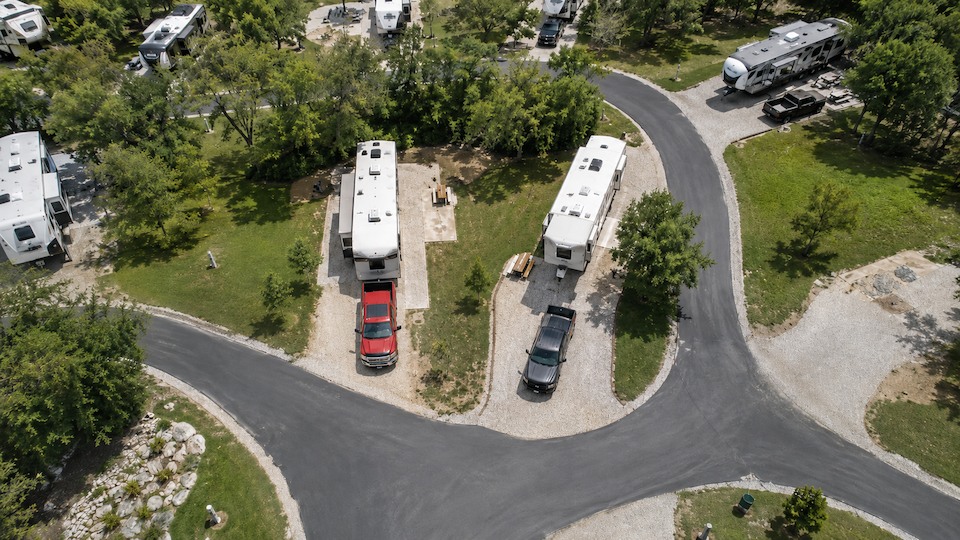
If you know storms are in the forecast, park your RV away from large trees, loose branches, and flood-prone areas. Falling limbs can cause serious damage, and even shallow flooding can create hazardous driving conditions or compromise your electrical connections.
Whenever possible, park on high-level ground to minimize risks.
10. Prepare an Evacuation Plan

In extreme cases, you may need to leave the park entirely for safety reasons. Having an evacuation plan with alternate routes ensures you’re ready to move quickly.
Download offline maps, keep your fuel tank at least half full, and make sure your emergency kit is stocked.
11. Keep a NOAA Weather Radio with Backup Power

A NOAA weather radio can be a lifesaver if cell service or Wi-Fi is disrupted during a storm. Choose one that operates on batteries or has a hand-crank option.
Tune in for real-time alerts so you’re always informed about changes in storm severity or warnings in your area.
12. Waterproof Important Documents and Valuables

Keep copies of your RV insurance policy, vehicle registration, and identification in waterproof pouches. If your RV sustains damage, having these documents safe and accessible will make the claims process smoother.
13. Confirm Insurance Coverage for Storm-Related Damage

Not all RV insurance policies automatically cover storm-related damage or towing after severe weather. Review your policy and speak with your provider about adding extra coverage if needed.
This step is especially important if you plan to RV in regions prone to strong thunderstorms or hail.
14. Stay in Touch with Park Staff

RV park staff can provide real-time updates about conditions in your area and whether you should take shelter or evacuate. Keep your phone charged and maintain open communication with them throughout the storm.
15. Keep Pets Calm and Safe Inside the RV

Thunderstorms can be frightening for pets. Keep them indoors, away from windows, and provide comfort items like blankets or toys. Playing soft background music can help mask the sound of thunder and keep them calm.
Final Thoughts

Thunderstorms can be intimidating, but with the right precautions, you can stay safe and protect your RV from damage. By preparing ahead of time, staying informed, and knowing when to take shelter, you’ll be able to ride out the storm with confidence.
If you’re looking for a safe, well-maintained RV park in the Texas Hill Country with friendly staff and plenty of amenities, visit Miller Creek RV Park and plan your next adventure, rain or shine.